
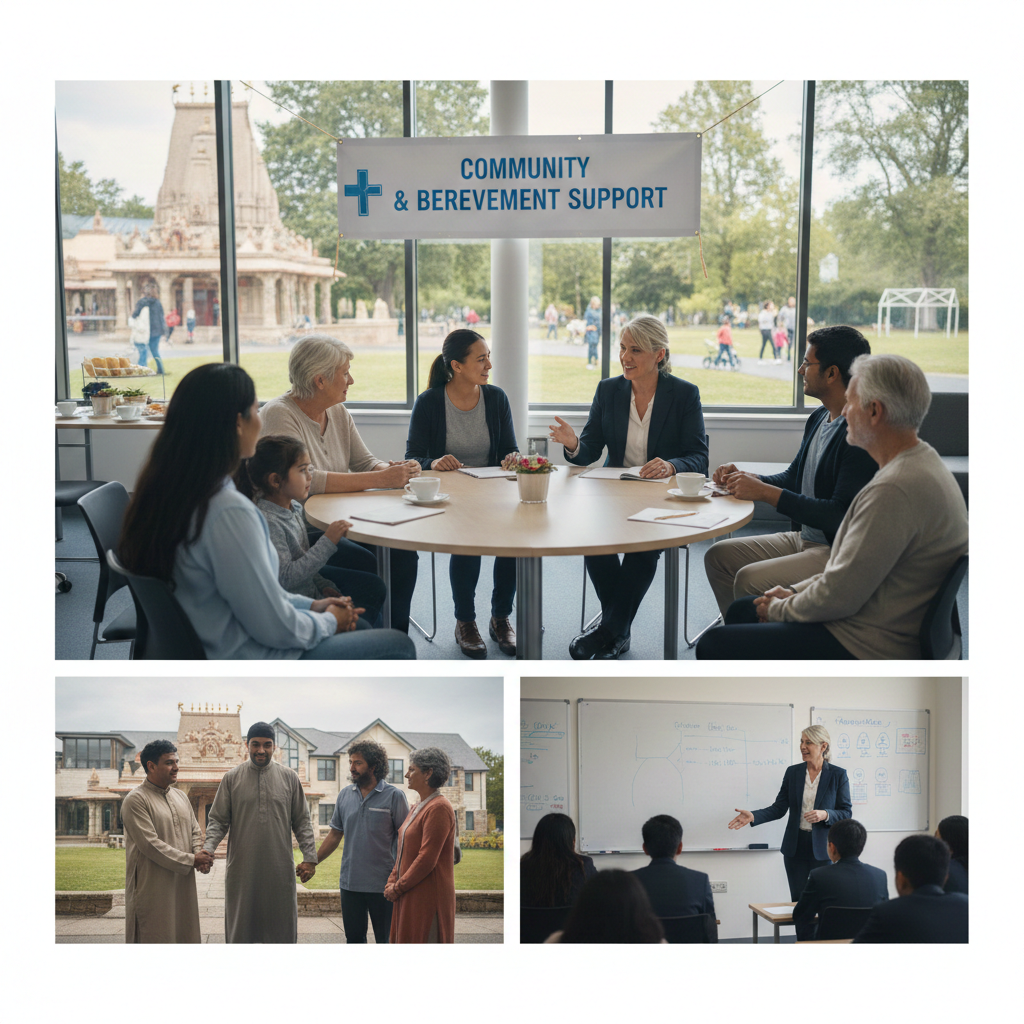
Funeral businesses do more than organise ceremonies and manage practical arrangements. Their work often extends into emotional care, offering ongoing support to families while maintaining strong links within their local communities. As the role of funeral professionals continues to evolve, many are finding new ways to help people cope with loss and to contribute positively to the society around them.
Supporting Families Beyond the Funeral
The period after a funeral can be one of the most challenging times for families. Many funeral providers now recognise the importance of offering compassionate care that continues well after the day of the service.
1. Emotional Guidance and Understanding
Funeral directors are often the first professionals to speak with bereaved families, and their sensitivity can set the tone for the entire experience. A calm, knowledgeable presence helps families feel supported as they make difficult decisions. Many providers share guidance on local counselling services or connect people with grief support networks to help them through the weeks that follow.
2. Community-Based Bereavement Support
Some businesses host remembrance events, support groups or informal gatherings that allow families to meet others who have experienced loss. Across regions where Funeral services UK operate, this community-focused approach is becoming a valued part of the service, helping people find comfort and connection in shared experiences.
3. Continued Communication and Care
Follow-up contact is now common practice. Families may receive check-in calls or newsletters offering practical information on memorial planning or coping with grief. This ongoing engagement helps reinforce that the relationship between funeral provider and family does not end once the service concludes.
Building Partnerships Within the Community
Funeral businesses that maintain close relationships with their local communities often have a deeper understanding of the needs and expectations of those they serve. These partnerships go beyond business and reflect a genuine commitment to social well-being.
1. Collaborating with Local Organisations
Strong connections with hospices, care homes and community charities allow funeral professionals to coordinate meaningful support for families. Many funeral homes contribute to local fundraising events or volunteer initiatives, ensuring their presence benefits the wider community as much as the families they serve.

2. Cultural Awareness and Inclusion
In a diverse society, funeral professionals are adapting their services to meet the cultural and spiritual needs of different communities. Providers specialising in Asian funeral services, for example, often work closely with faith leaders and cultural groups to ensure that traditions are respected while still offering guidance through the practical aspects of the process.
3. Public Education and Awareness
Funeral businesses increasingly take part in educational programmes, school visits or public seminars designed to make discussions around death more open and approachable. This engagement helps reduce uncertainty and encourages families to plan ahead with confidence.
How Community Engagement Benefits Everyone
Funeral providers that invest in community involvement not only strengthen their reputation but also build lasting relationships based on trust and compassion. Families are more likely to turn to professionals who show genuine care and maintain visible connections within the local area.
This kind of engagement reinforces the idea that funeral businesses are not only service providers but also important community partners. By balancing professionalism with empathy, they bring comfort to families and contribute to a culture of understanding around bereavement.
In Summary
The modern funeral profession continues to evolve in ways that support people beyond the immediate arrangements of a service. Through community partnerships, inclusive practices, and ongoing emotional support, funeral businesses are helping to build a more compassionate and connected society.
When care extends beyond the ceremony, it transforms a necessary service into a lasting source of comfort for those who need it most.